
Superlok® USA · AI Infrastructure
The AI Buildout Runs on Fittings You Can Actually Get
Power is doubling. Racks are running hot. The small parts that seal the cooling loop are the ones holding up schedules.
The demand is real, and it is enormous. Goldman Sachs projects U.S. data center power demand roughly doubles, from about 31 GW in 2025 to about 66 GW in 2027, lifting data centers from around 4.1% of U.S. peak power to about 8.5%. Dell’Oro Group puts 2026 hyperscaler AI capex near $690 billion, spread across Microsoft, Amazon, Google, Meta, and the OpenAI and Oracle Stargate effort. The money is committed. The hard part is turning it into buildings that actually run, and that comes down to the smallest parts on the job.
Power is doubling, and space is already gone
The map tells the story. CBRE puts Northern Virginia, the largest data center market on earth, at roughly 4,182 MW with a record 0.3% vacancy. Dallas-Fort Worth has about 716 MW under construction and 88% of it is already preleased. Atlanta, Phoenix, Columbus, and Reno are filling in right behind them.
Space is spoken for before the concrete cures, and the race to energize it is brutal. When demand climbs this fast, every link in the supply chain gets tested, right down to the fittings inside the racks.
Cooling is the real bottleneck
A rack of AI accelerators can pull five to ten times the power of a traditional server rack, and nearly all of that energy comes back out as heat. Air alone cannot move it, so operators are switching to liquid.
In practice that means direct-to-chip cold plates, rear-door heat exchangers, and coolant distribution units feeding row after row. Each one turns a rack into a small pressurized fluid system, and every one of those systems lives or dies on its connections.
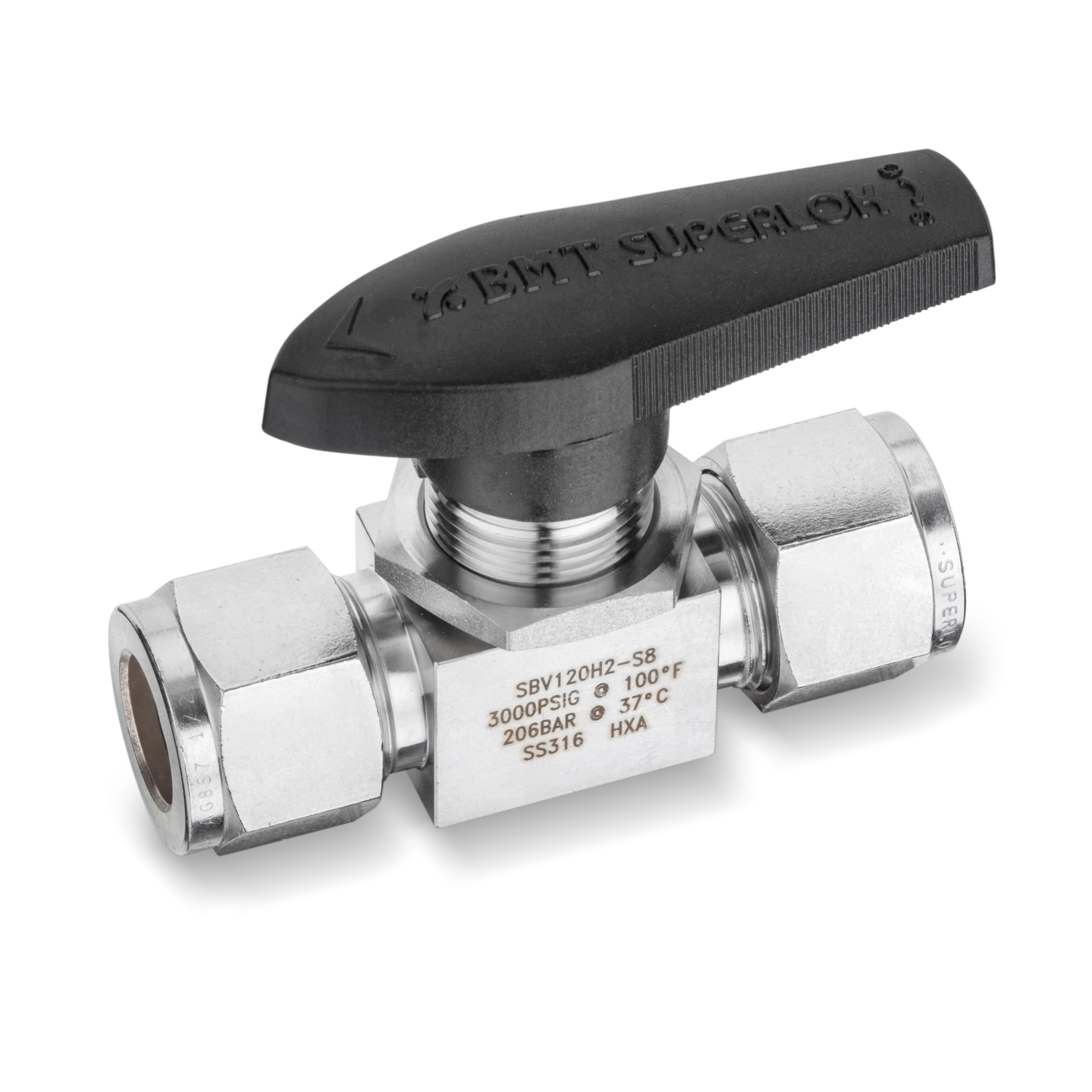
One weeping joint in a sealed loop is not a maintenance ticket. It is a shutdown, inches from hardware worth more than the entire fluid system around it. That puts leak-tight tube and pipe fittings and tight-shutoff ball valves squarely on the critical path for the whole build.
What a delay actually costs
The demand surge has a downside that shows up on the schedule. Goldman Sachs estimates only 50 to 60 percent of planned data center capacity comes online on time, and the delays run all the way down to the smallest components.
A single back-ordered fitting can idle a crew, push an energization date, and cascade into penalty clauses. On a build measured in hundreds of megawatts, a week lost to a missing part is real money walking out the gate.
The availability problem, in short
- Only 50 to 60 percent of scheduled data center capacity comes online on time (Goldman Sachs).
- Lead times and back-orders are an industry-wide crunch, not a problem with any one supplier.
- A single missing fitting can stall a cooling loop, and a stalled loop can hold up an entire hall.
- Superlok® USA keeps a deep in-stock inventory and ships same day, so availability stops setting your schedule.
What to check before you spec a loop
- Interior surface finish. A cleaner bore means a tighter, more repeatable seal and less particulate shed into the coolant.
- Consistent make-up. Fittings that pull up the same way every time cut install error across thousands of connections.
- Real availability. A catalog means nothing if the part is twelve weeks out. Ask what actually ships today.
- Cross-reference support. You should be able to match an existing Swagelok®, Parker®, or Hy-Lok® number without re-engineering the loop.
The parts inside a cooling loop, in plain terms
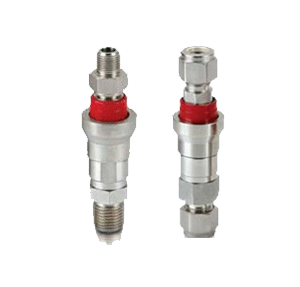
Liquid cooling sounds complex, but the loop is a short list of parts doing simple jobs. A cold plate sits on the chip and pulls heat into the fluid. A manifold splits the flow so every rack in a row gets its share. A coolant distribution unit, or CDU, is the pump and heat exchanger that keeps the fluid moving and hands the heat off to the building’s water. Quick-disconnects let a tech pull a server without draining the whole loop.
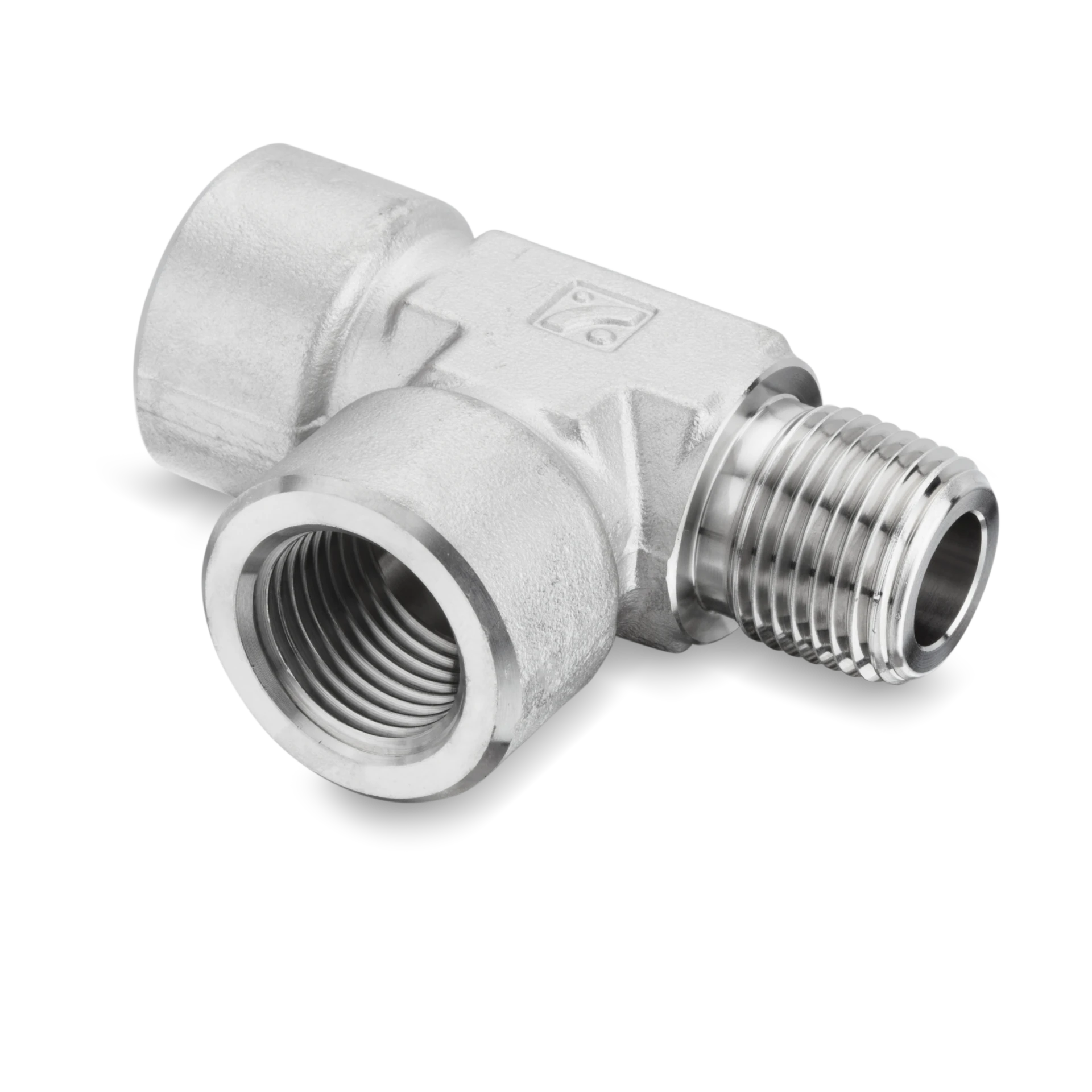
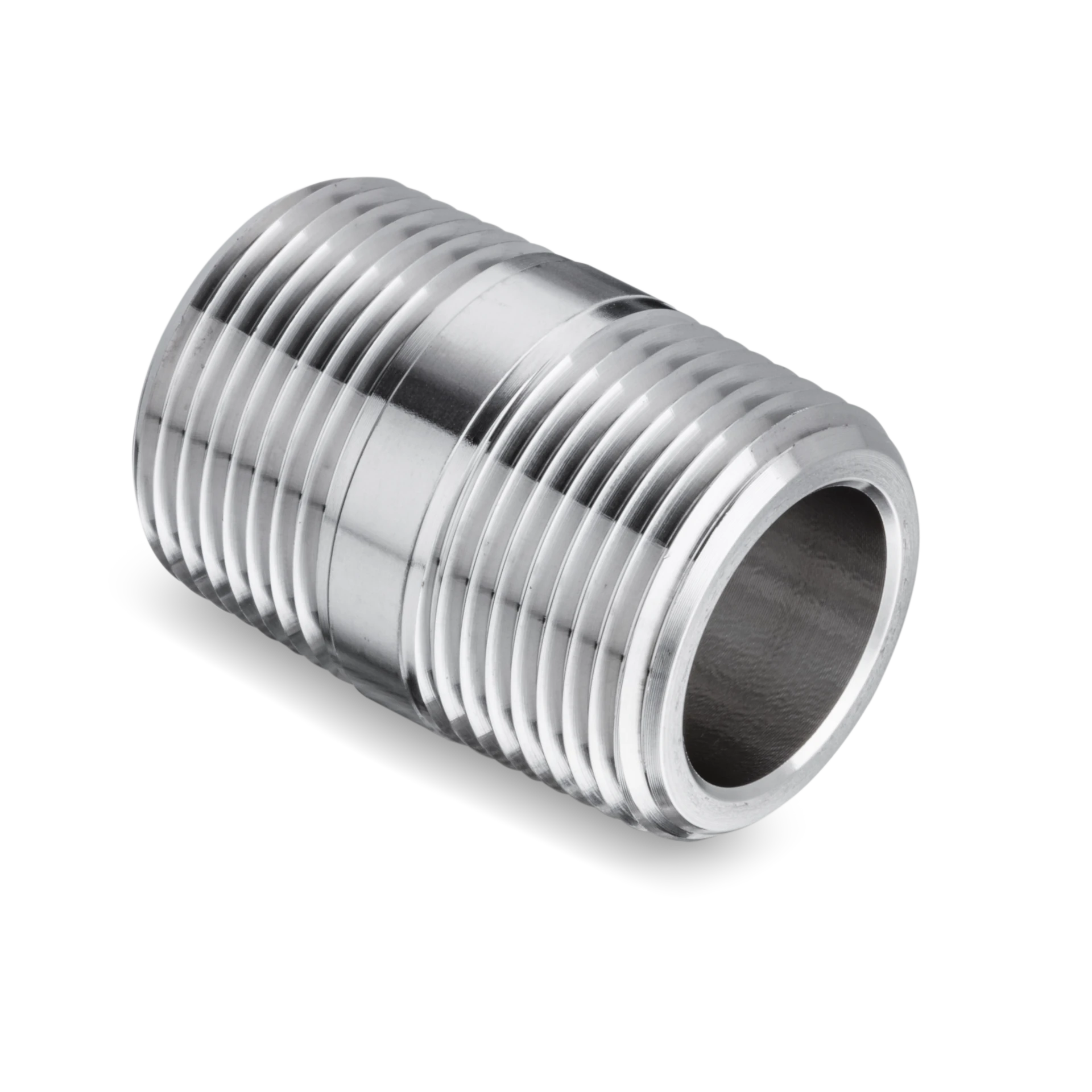
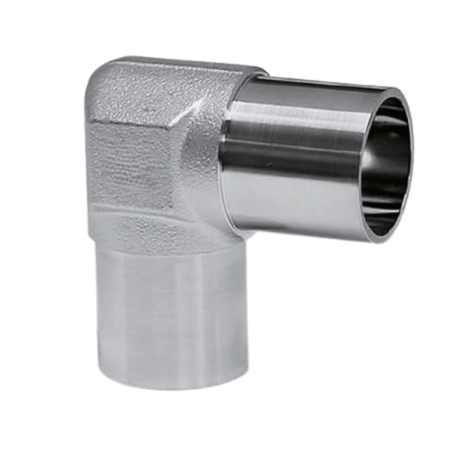
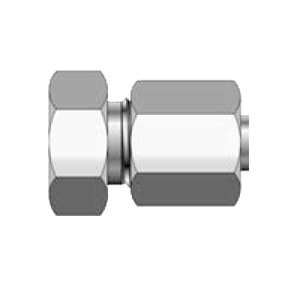
Every one of those parts joins to the next with a fitting. A tube fitting clamps onto the tube with a ferrule, a small ring that bites down and forms the seal. A valve starts flow, stops flow, or isolates a section for service. None of these parts are exotic. The catch is that one hall holds thousands of them, and every joint has to hold. Get one wrong and you find out at the worst time.
Why finish and pressure rating are not just spec-sheet words
Two numbers decide whether a fitting fits a coolant loop: how smooth the inside is, and how much pressure it can take. A smoother bore means less turbulence, fewer trapped particles, and a cleaner seal when the ferrule sets. A higher pressure rating gives you margin, so a pump surge or a blocked line does not push the joint past its limit.
Superlok® parts are built for both, which is why they hold up in loops that run day and night for years. When you spec a loop, write down the working pressure, the test pressure, and the fluid you plan to run. Ask two more questions before you buy: what is the temperature range, and what coolant is approved. Water-glycol, dielectric fluid, and plain treated water each behave a little differently, and the seal has to be rated for the one you run.
Where Superlok® USA fits
We are the North American distributor for Superlok® instrumentation fittings and ball valves, and we stock them deep. Superlok® carries the best interior surface finish of any tube fitting in the world, which is exactly the seal integrity a zero-leak coolant loop demands.
Already sized around another brand? Use the cross-reference search to match Swagelok®, Parker®, or Hy-Lok® part numbers to Superlok® equivalents in seconds. Spec a full job from the catalog, compare the complete product lineup, then request a quote and we will confirm stock and same-day shipping.
Common questions
Are Superlok® fittings compatible with Swagelok®?
Yes. Superlok® fittings cross-reference to Swagelok®, Parker®, and Hy-Lok® part numbers, so you can drop them into an existing design without re-spec’ing the loop.
How fast can you ship?
Most in-stock orders placed during business hours ship the same day. Orders placed after hours or on weekends ship the next business day.
Can you handle a full data center build?
Yes. We keep deep inventory specifically so large, schedule-driven projects do not wait on back-ordered parts. Send your fluid schedule and we will confirm quantities and lead time.
Can you provide material certs and documentation?
Yes. We can supply material test reports and the cross-reference paperwork with your order, so your quality team and the inspector have a clean trail from the old part number to the new one.
Have a cooling loop to seal? Get your Superlok® fittings and valves shipped today.
Request a Quote →Superlok® USA
Tighter seal integrity, same-day shipping, and the best interior surface finish of any tube fitting in the world.
Sources
- Goldman Sachs, “US data center power demand projected to double by 2027.” goldmansachs.com
- CBRE, “Global Data Center Trends 2026” (market inventory and vacancy). cbre.com
- Dell’Oro Group, 2026 hyperscaler AI infrastructure capex estimate. via Introl
Shipping note: most in-stock orders placed during business hours ship the same day; orders placed after hours or on weekends ship the next business day.
Swagelok®, Parker®, and Hy-Lok® are registered trademarks of their respective owners. Superlok® USA is an independent distributor and is not affiliated with, authorized by, or endorsed by those companies. Cross-references identify equivalent parts by form, fit, and function only.