

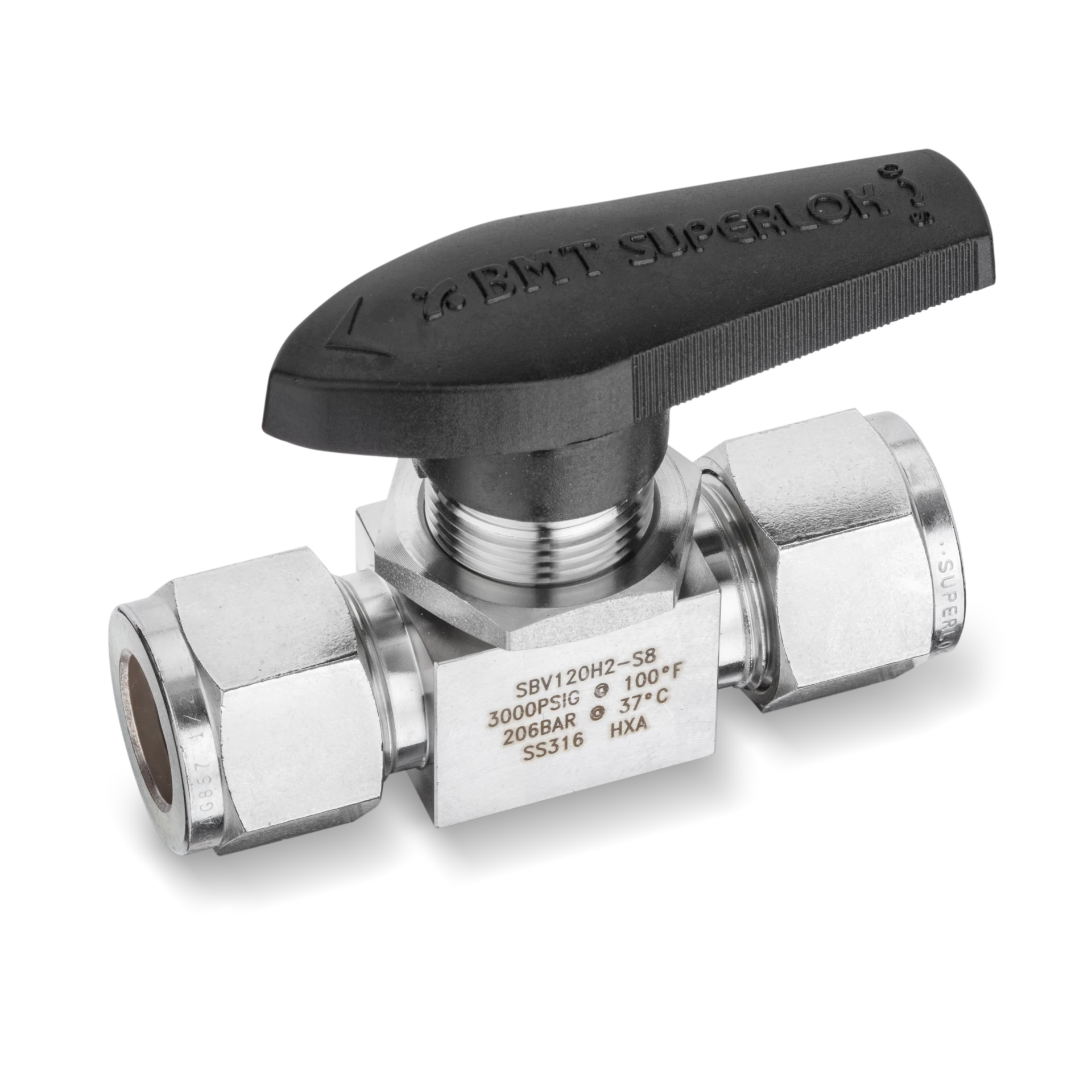
Plug Valve vs Ball Valve for Instrument Service
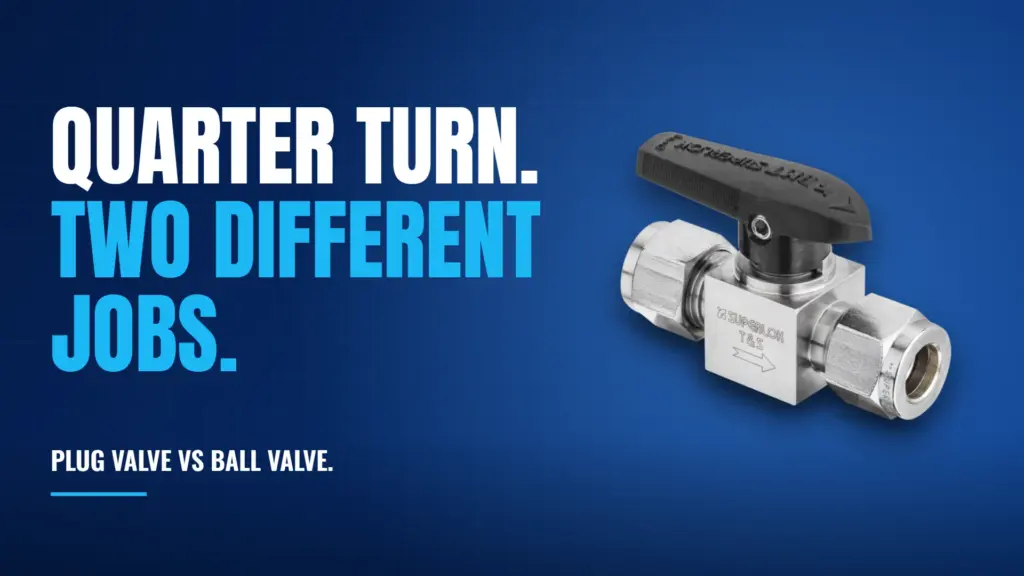
Two quarter-turn shutoffs compared by mechanism, sealing, flow path, torque, throttling and maintenance.
Inside a Hydrogen Fueling Station: The Instrument Side
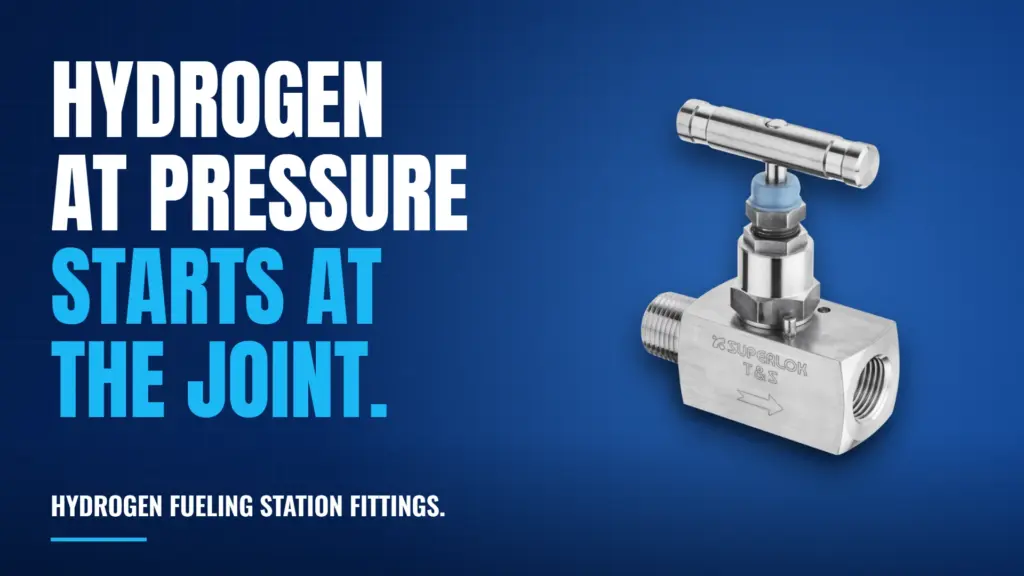
Compression, storage, precooling and the dispenser, read from the tubing and valve point of view.
Relief Valve vs Safety Valve: The Difference That Matters
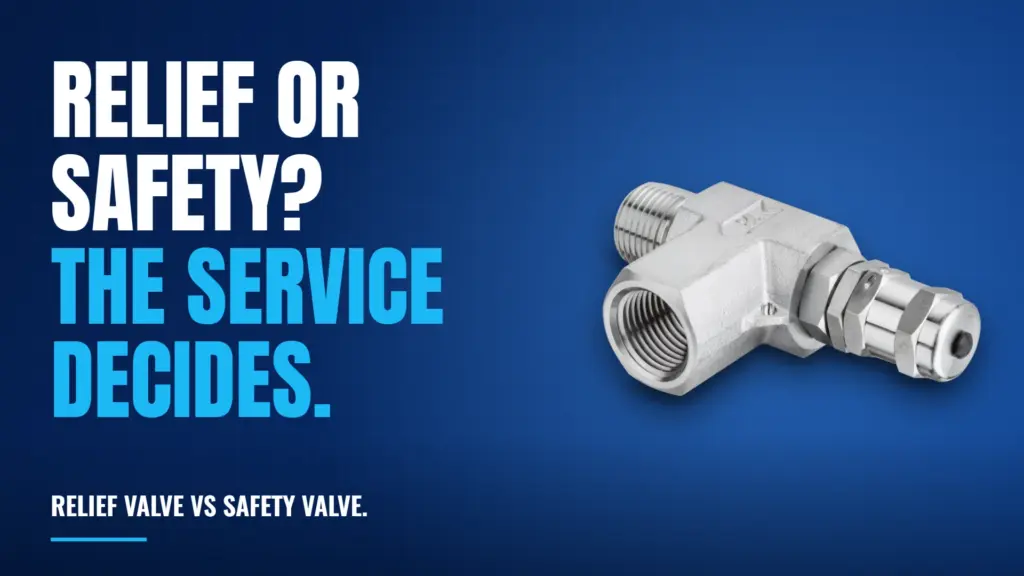
How the codes separate the terms, and why an instrumentation relief valve does not stand in for a code-stamped safety valve.
Excess Flow Valves on Natural Gas Service

What a flow-tripped valve does on gas lines, where the federal service-line rule stops, and where industrial instrument lines pick up.
Data Center Liquid Cooling: Where the Fittings Actually Sit
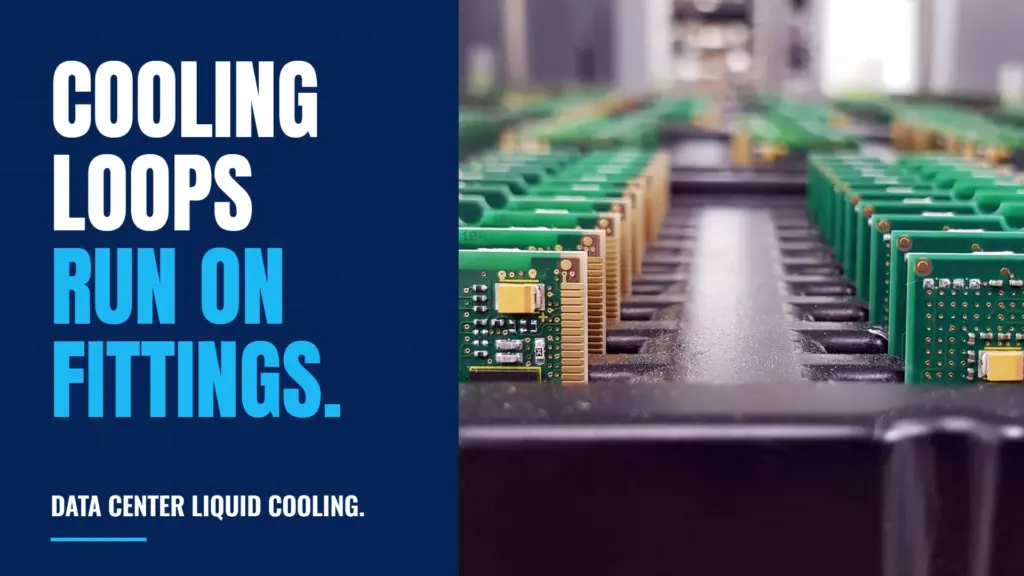
A walk through the facility loop, the coolant distribution unit and the secondary loop, and the joints in each.
Helium Leak Testing a High-Purity Gas Line

Inboard or outboard, sniffer or vacuum, and what a leak rate number has to say before it means anything.
Why Dissimilar Metals Corrode, and What Breaks the Circuit
Galvanic corrosion is a small electrochemical cell that needs three things at once. Remove one and the circuit breaks.
Thread Sealant on NPT: Tape, Paste, and How Far Down the Thread
A tapered thread leaves a spiral clearance path unless something fills it. What tape and paste each do, and how far down to go.
304 vs 316 in Instrument Tubing: Where the Molybdenum Earns Its Keep
Two percent molybdenum looks like a small difference on paper. In chloride service it decides whether the tubing pits.
Root Valve vs Isolation Valve on an Instrument Tap
Root valve describes a position on the line, not a fixed valve design. Where it sits and what has to be true of it.