
Superlok® USA · Hydrogen Systems
High-Pressure Hydrogen Is Only as Safe as the Fitting Holding It
Hydrogen dispenses at 700 bar into a molecule small enough to find any weak joint. At that pressure, the fitting and its alloy are the safety case, not an afterthought.
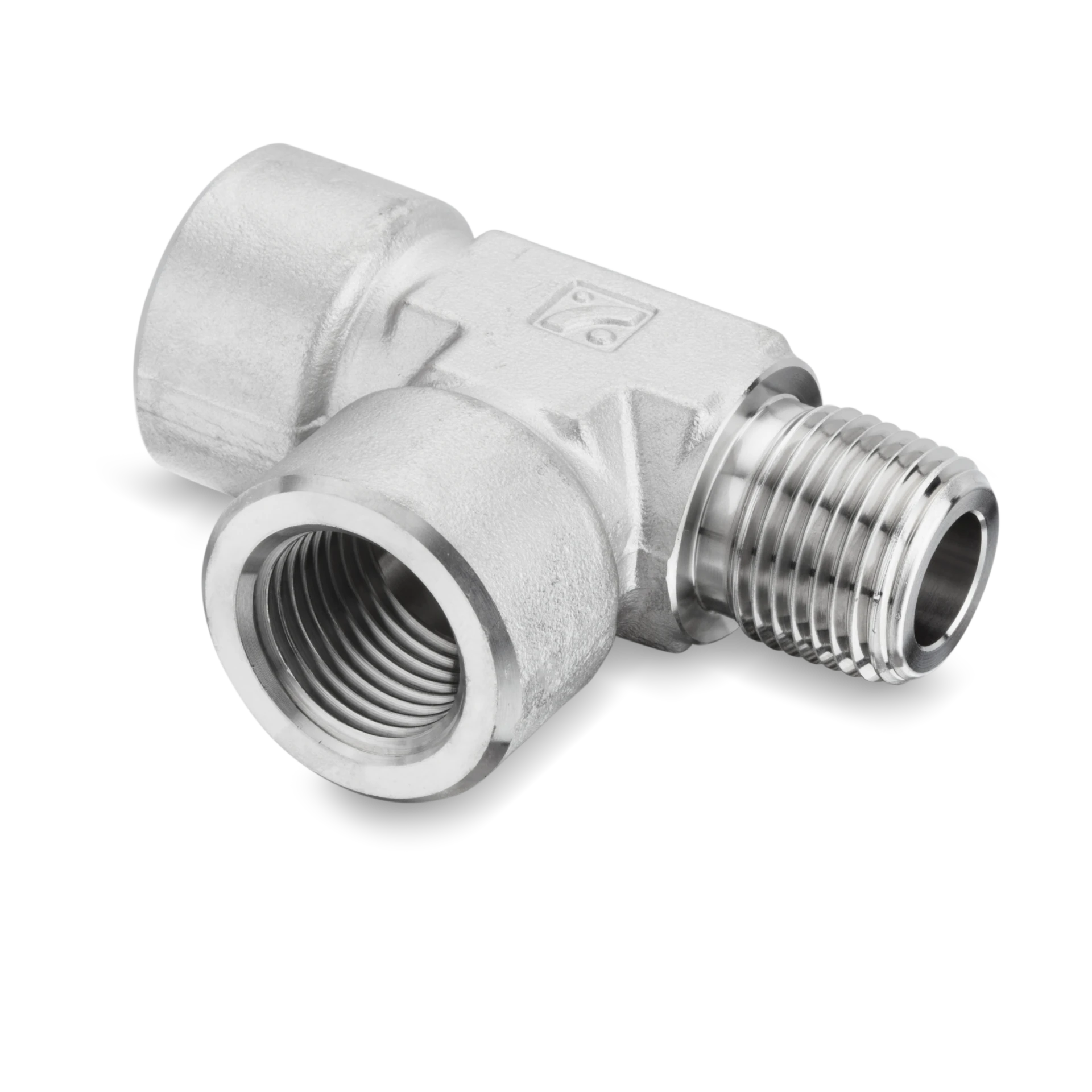
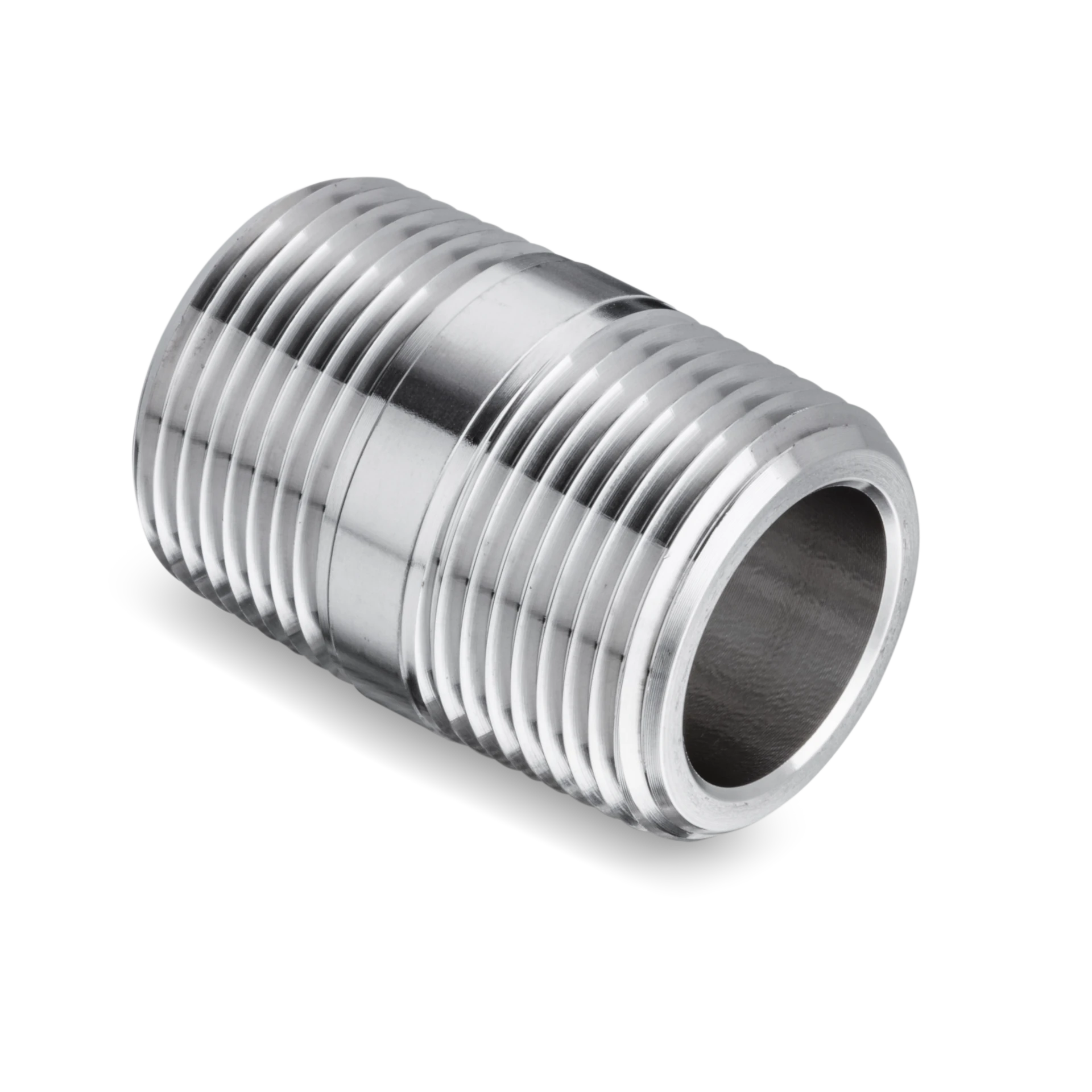
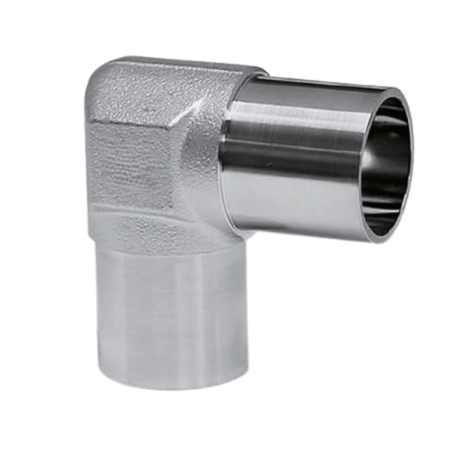
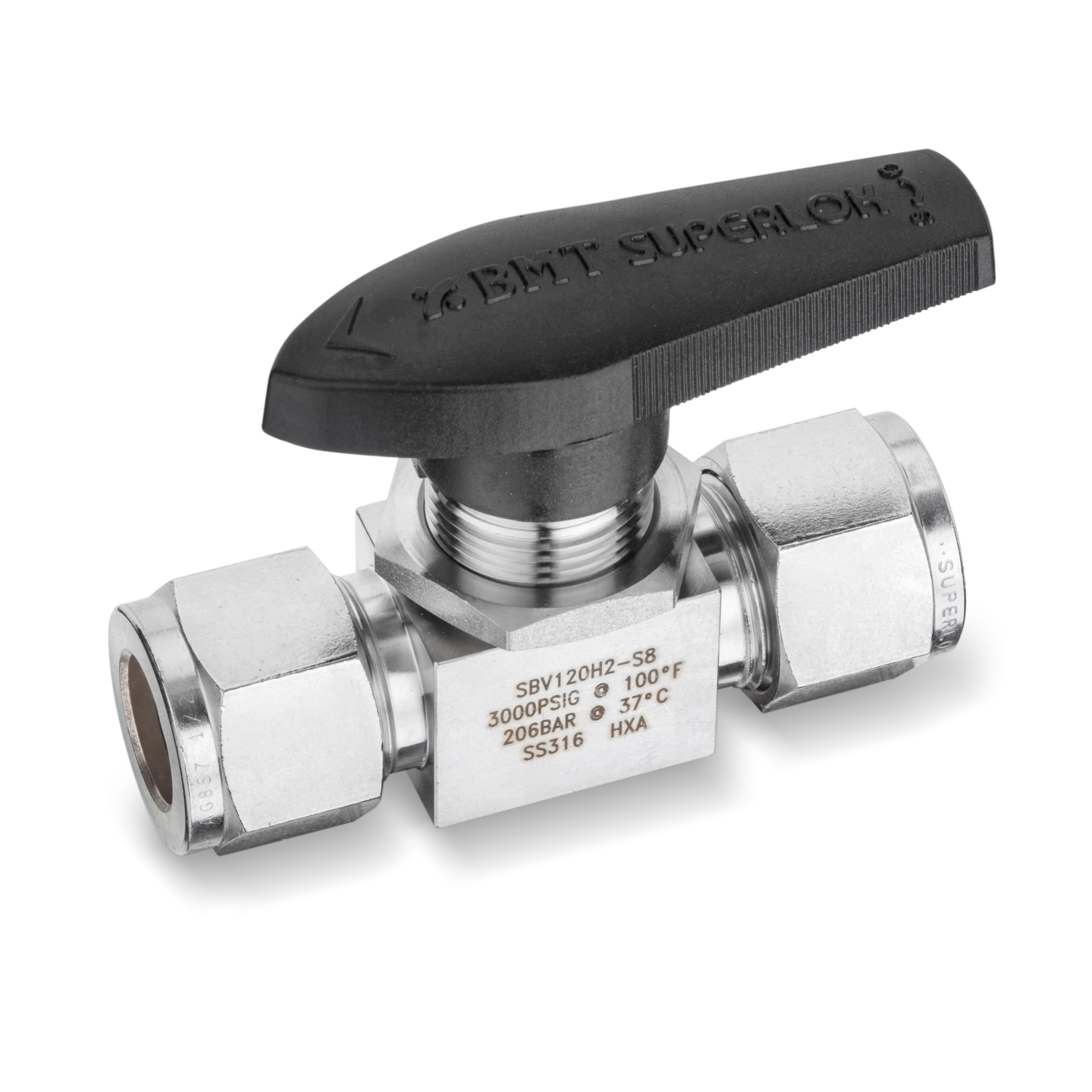
Hydrogen is one of those build-outs that looks quiet until you stand next to it. Federal hub funding wobbled in 2025, but the physical infrastructure kept going in: retail stations dispensing at 700 bar, heavy-duty truck corridors, electrolyzer and industrial gas projects. California alone has more than fifty retail stations running, and a single heavy-duty site can dispense up to 18,000 kilograms of hydrogen a day. Every one of those systems comes down to a lot of small connections that have to hold a very small molecule at very high pressure. That is what a high-pressure hydrogen fitting is really for, and it is exactly where Superlok® lives: 316/316L instrumentation fittings and valves, specified right, from stock.
Why hydrogen is unforgiving on a fitting
Three things are working against every joint at once. Nitrogen or hydraulic oil forgives a marginal connection. Hydrogen does not.
The same connection that passes a one-time hydro can still fail in hydrogen service, and here is why:
Smallest molecule
Hydrogen finds leak paths that would never trouble nitrogen or oil. A seal that is merely good is not good enough.
Embrittles metals
It attacks the wrong alloys from the inside, quietly weakening the metal long before anything looks wrong.
Cycles and chills
Every fast fill swings the pressure and drops the gas toward minus 40 degrees. The load is relentless, not static.
The failure mode is fatigue, not a burst
This is the part that catches people out. A hydrogen connection rarely fails in one dramatic moment. It fails slowly, cycle after cycle, until the metal cracks. The fitting has to survive the thousandth fill, not just the first.
The metallurgy is the spec
With hydrogen, material selection is not a box to check at the end. It is the design. Here is how the common material choices sort out:
Specify
Austenitic 316/316L
Face-centered-cubic structure and higher nickel content resist embrittlement. The baseline for hydrogen service.
Avoid
Ferritic & low-nickel
Low nickel means the microstructure is not stabilized, so these embrittle badly in hydrogen.
Higher risk
Very high-strength steels
Counterintuitively, the strongest alloys fare worse, not better, under hydrogen and cyclic load.
That is why hydrogen guidance points to nickel content comfortably above the 10 percent ASTM floor, closer to 12 percent, for demanding service. Before a connection gets made up, the people who do this well have their numbers settled:
- Pressure rating, including cycles. Match the 350 or 700 bar service and leave margin, because cyclic dispensing, not a single surge, is what finds the limit.
- Austenitic material. 316/316L as the baseline, with nickel content chosen for hydrogen, not just for the ASTM minimum.
- Temperature range. Fast-fill pre-cooling drives gas toward minus 40 degrees, so the seal has to stay leak-tight cold.
- Clean, repeatable seal. A tight ferrule and clean bore mean fewer leak paths on the one molecule that will exploit every last one.
Availability is the whole game
When a program moves, everyone reaches for the same short list of part numbers at once, and lead times stretch. A single back-ordered fitting can idle a commissioning crew and push a milestone a week to the right, over a part that costs less than lunch.
This is where distribution earns its keep, and it is about the calendar, not the catalog. It is the same story we told about oil and gas instrumentation and data center cooling loops, now with a molecule that leaves even less room for error.
Already spec’d another brand? Cross-reference it
You cross-reference the part numbers on your drawing by form, fit, and function to Superlok® parts, without re-engineering the line.
Swagelok®Parker®Hy-Lok®
Superlok® part number
Use the cross-reference search to cross-reference a part number in seconds, spec a job from the catalog, pull leak-tight tube and pipe fittings and tight-shutoff ball and needle valves, then request a quote and we will confirm stock and same-day shipping.
Common questions
Are Superlok® fittings suitable for high-pressure hydrogen service?
When the material and rating match the service, yes. Send your pressure, temperature, and cycle conditions and we will confirm the right 316/316L Superlok® part, including the nickel and rating suited to hydrogen, before anything ships.
Why does the alloy matter so much for hydrogen?
Hydrogen embrittles the wrong metals. Austenitic 316/316L with sufficient nickel resists it, while ferritic, low-nickel, and very high-strength steels are more vulnerable. In cyclic dispensing the concern is fatigue, so the material has to be chosen for hydrogen specifically.
Can you cross-reference my existing part numbers?
Yes. Superlok® fittings and valves cross-reference to Swagelok®, Parker®, and Hy-Lok® numbers, so you can cross-reference to an in-stock part without re-engineering the line.
How fast can you ship?
Most in-stock orders placed during business hours ship the same day. Orders placed after hours or on weekends ship the next business day.
Get it specified right, and shipped now
Commissioning a hydrogen station, skid, or test loop? Put same-day availability to work on your next job.
Superlok® USA
Home of the finest interior surface finish of any tube and pipe fitting, with the availability and service your hydrogen system depends on.
Sources
- Hydrogen Fuel Cell Partnership, “Shovels, Pumps, and Pipelines: Hydrogen Infrastructure Is Being Built Now.” h2fcp.org
- U.S. Department of Energy, “Regional Clean Hydrogen Hubs.” energy.gov
- Oxford Academic, Clean Energy, “Overview of hydrogen-resistant alloys for high-pressure hydrogen environment.” academic.oup.com
Shipping note: most in-stock orders placed during business hours ship the same day; orders placed after hours or on weekends ship the next business day. Hydrogen material and rating requirements are confirmed per order.
Swagelok®, Parker®, and Hy-Lok® are registered trademarks of their respective owners. Superlok® USA is an independent distributor and is not affiliated with, authorized by, or endorsed by those companies. Cross-references are made by form, fit, and function only.