

Superlok® USA · Instrumentation
How to Equalize a 3-Valve Manifold Without Damaging the Cell
Two block valves and one equalize valve, moved in a fixed order, keep a differential pressure cell from ever seeing a pressure it was not built to take alone.
A 3-valve manifold puts three valves between a differential pressure transmitter and the process: a high side block, a low side block, and one equalize valve that ties the two legs together. The order those three valves move in during a zero check or an isolation is not a matter of habit. According to the Rosemount® 3051 wireless pressure transmitter reference manual published by Emerson, a manufacturer publication, the way to zero a cell at static line pressure is to “close the block valve to the low pressure (downstream) side first,” and only then bring the two legs together. The valves are worked one at a time, never left in a combination that puts the full process differential across one leg of the cell while the other leg is shut off from it. Get the order wrong and the mistake shows up as a stuck valve, a shifted zero, or a cell that no longer reads straight.
What the three valves are actually doing
A DP transmitter reads the difference between two pressures, one on the high side leg and one on the low side leg, and the sensor inside it is built around that difference, not around either leg’s absolute value. Each block valve is a plain shutoff on its own impulse line, one on the high side, one on the low side. The equalize valve sits between them, on the transmitter side of both blocks, and its only job is to let the two legs reach the same pressure so the cell has nothing left to measure. Close both blocks and open the equalize valve, and whatever pressure remains trapped between the two legs is shared equally. That shared, equal state is what a zero check needs and what a safe isolation ends on.
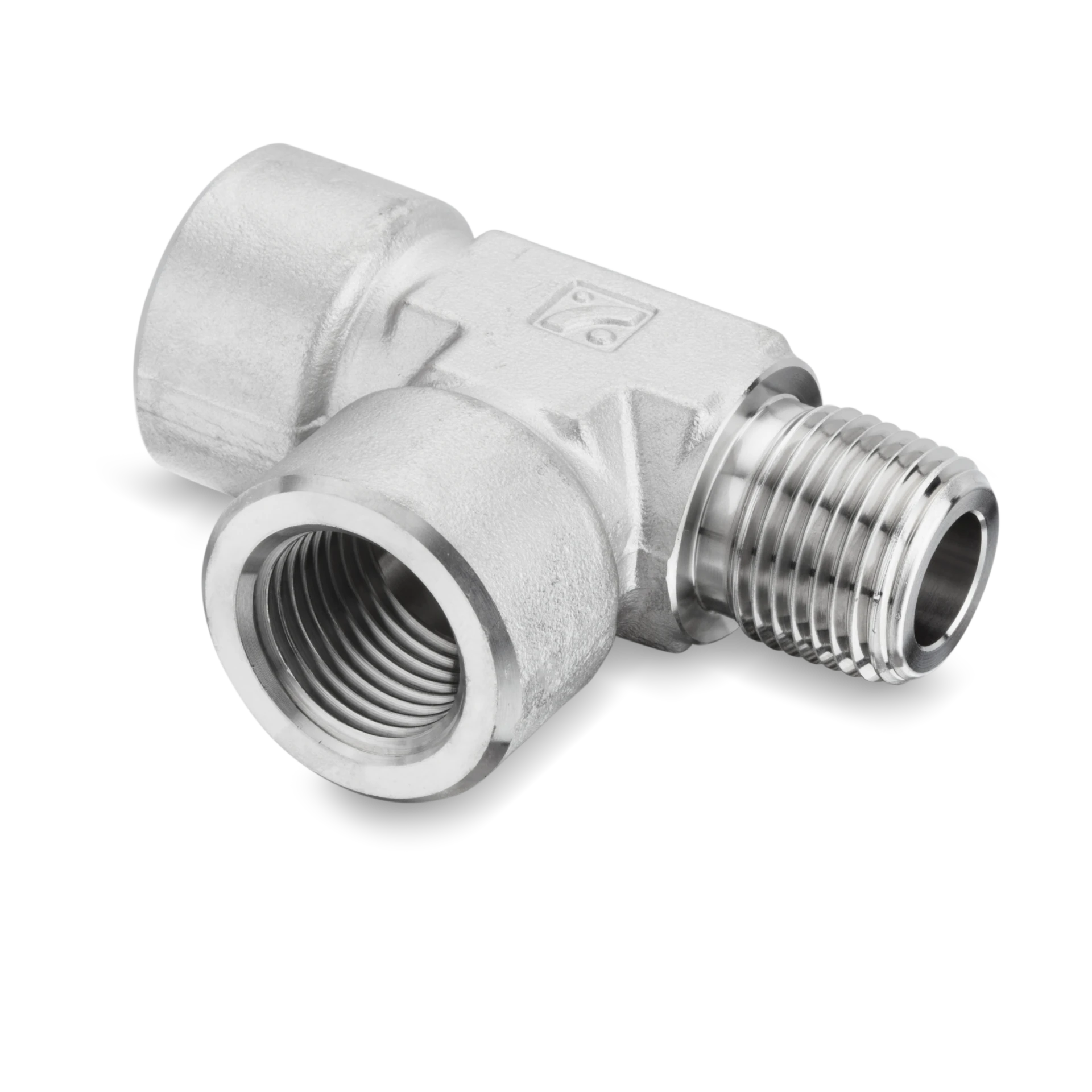
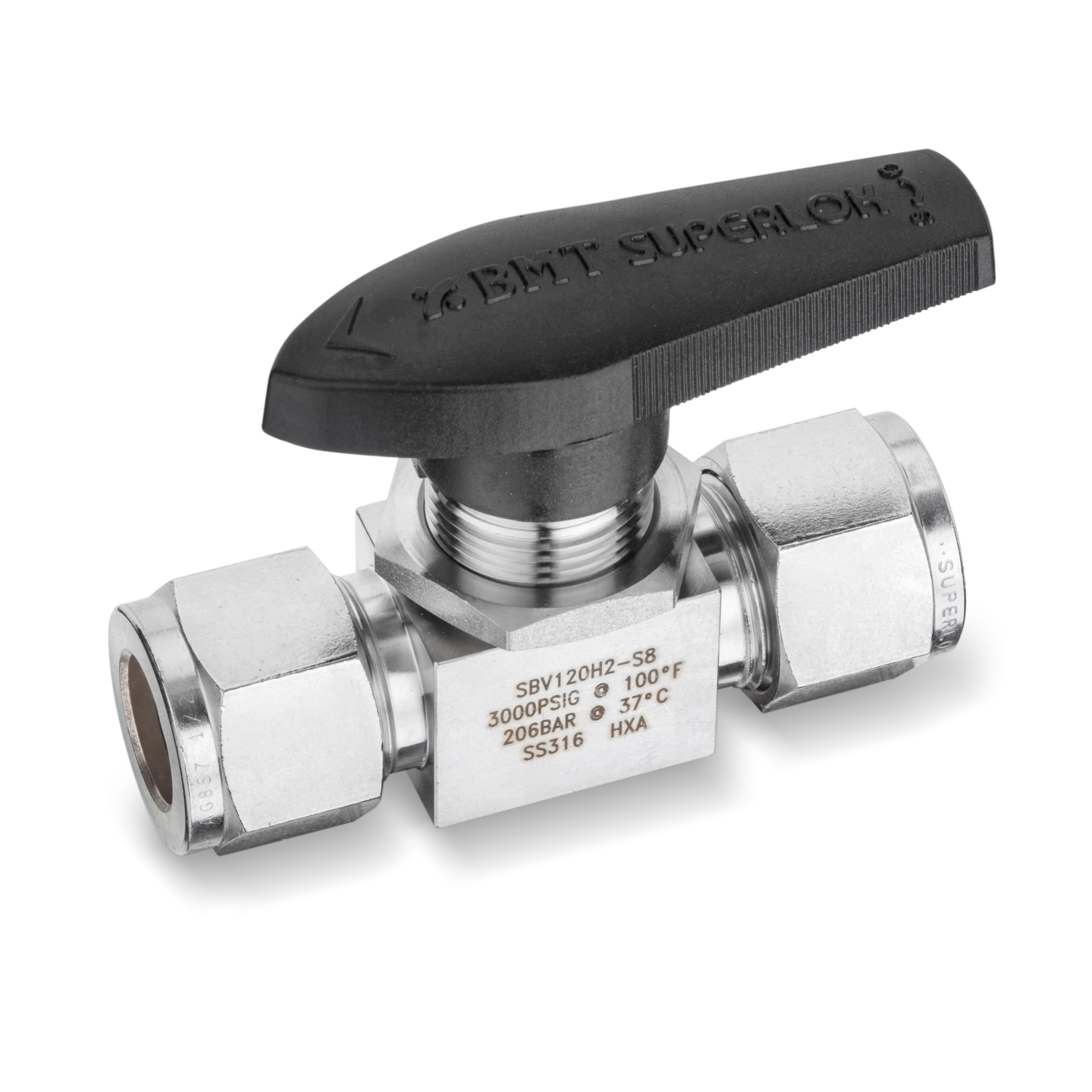
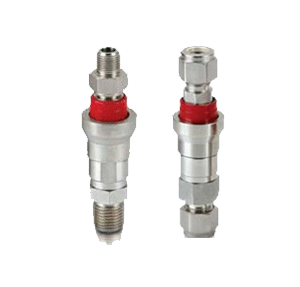
Superlok® manifold valves are built to that same three-valve arrangement, with tube fittings and valve bodies offered in 316 stainless steel, corrosion-resistant material for the impulse lines that run from the tap to the instrument.
On a manifold drawing the two block valves are sometimes labeled isolate valves instead, and the equalize valve is occasionally called the bypass valve. The names change by manufacturer and by site standard, but the count and the arrangement do not: two shutoffs on the process side, one valve bridging them on the instrument side. Knowing which handle is which before starting the sequence avoids the single most common field mistake, closing the wrong block valve first.
The published sequence, in order
For a live zero check, the same Rosemount® reference manual walks through four moves: close the block valve on the low pressure side, “open the equalize valve to equalize the pressure on both sides of the transmitter,” take the reading, then “close the equalize valve” and reopen the low side isolate valve to put the instrument back in service. The high side block stays open the entire time. That detail matters: the sequence only ever closes one block valve, never both, while the equalize valve is doing its work.
| Step | Valve moved | State after the move |
|---|---|---|
| 1 | Close low side block | High side still live, low side shut |
| 2 | Open equalize valve | Both legs share one pressure, cell reads zero |
| 3 | Take the zero reading, then close equalize | Legs separated again, cell isolated |
| 4 | Reopen low side block | Transmitter back in normal service |
Sequence as set out in Emerson’s own reference manual for a Rosemount® transmitter and manifold assembly. Confirm the valve arrangement and step order against the instruction sheet for the specific manifold in front of you before you touch a handle.
Why you never open both isolates against an equalized cell
Two mistakes account for most manifold damage, and they are opposites of each other.
The two combinations a 3-valve manifold should never sit in
Equalize open, both blocks open
Process fluid now has a straight path from the high side impulse line, through the equalize valve, to the low side impulse line. One instrumentation trade guide is blunt about it: “It is critically important that the equalizing valve(s) never be open on any transmitter manifold while both block valves are open.” On a hot or high pressure line, that bypass flow can erode or seize the equalize valve itself.
One block closed, equalize still shut
Close one block valve while the other stays open and the equalize valve stays shut, and the cell now sees full process pressure on one leg with nothing to balance it. Nothing is bridging the two sides, so the full static line pressure is pushing on one diaphragm face and a much lower trapped pressure on the other. That overload lands on the cell, not on the process, and it is the reason every published sequence opens or closes the equalize valve at a fixed point in the order rather than whenever it is convenient.
Reopening out of order
Returning to service is the same rule run backward. Close the equalize valve before reopening either block, and reopen the same block that was closed first. A transmitter brought back through the wrong block first sees the same one-sided condition on the way in.
The cell itself is rated for a working differential far smaller than either leg’s static line pressure. That gap is exactly why the valve order exists: it keeps the full process pressure from ever landing on one side of the diaphragm while the other side sits open to a lower or trapped pressure. None of this is a torque spec or a turn count, it is a sequence, and the sequence is the whole point.
Isolating for removal, not just for a zero check
Taking a transmitter off a manifold entirely follows the same logic with one change in emphasis. The instrumentation reference Instrumentation Tools sets out the order as closing the high pressure block valve, then opening the equalize valve, then closing the low pressure block valve, and only then cracking a bleed to let the trapped pressure out. Coming back the other way, the same list runs backward: shut the bleed, open the low pressure block, close the equalize valve, and open the high pressure block last of all. Note that the high side is the first to be shut and the last to be reopened, which is the opposite of what a technician who has only ever done live zero checks might expect. Either direction, the equalize valve is the one that is never skipped and never rushed.
Tagging the manifold before starting the sequence is worth the extra minute. A hand-written note on which block was closed first, and where the equalize valve ended up, turns a routine isolation into something the next technician can verify at a glance rather than guess at. That habit costs nothing, and it is the difference between a manifold history that makes sense to whoever reads it next and one that does not.
Superlok® manifold and gauge valves are built on the same block-and-equalize logic as any other instrument manifold, in stainless steel trim listed for the pressure class settled at order entry. Impulse tubing rewards a clean bore, and Superlok® parts are finished to the finest interior surface finish of any tube and pipe fitting on the market, because debris carried down an impulse line and into an equalize seat is exactly what turns a routine handle into a stuck one. Bleed ports for venting trapped pressure before disconnection are covered on our bleed valve page, and the pull-up and thread practice for the tubing feeding the manifold is in our installation guide.
Common questions
Does the block-then-equalize order change on a 5-valve manifold?
The block and equalize logic is the same. A 5-valve body adds two vent valves for venting and calibration, which is its own separate topic from the equalizing sequence itself.
Which block valve should I close first?
Follow the instruction sheet for the manifold in your hand. Published sequences differ on whether the high side or low side block closes first, but every one of them agrees on the underlying rule: only one block moves at a time, and the equalize valve is what protects the cell in between.
Can I leave the equalize valve open after the zero check?
No. Close it before reopening the block valve you closed at the start. An equalize valve left open in normal service defeats the differential measurement entirely.
What actually gets damaged if the sequence is wrong?
Most commonly the sensor cell shifts zero or overranges, and in bypass cases the equalize valve seat itself can be eroded or seized by flow that was never meant to pass through it.
Do analyzer and sample systems use the same manifold logic?
Yes, with the same added attention to dead volume. See our note on analytical instrument tube fittings.
Putting a DP transmitter on a new tap?
Tell us the static line pressure and the cell range, and a manifold quote follows from those two numbers.
Superlok® North America
One handle at a time, in the published order.
Sources
- Emerson, “Rosemount® 3051 Wireless Pressure Transmitters Reference Manual,” document 00809-0100-4100, Rev BB, June 2024, a manufacturer publication on the maker’s own site, supports the low-side-first zero check sequence, the equalize step and the return to service, and the rule that one valve moves at a time. emerson.com
- Instrumentation Tools, “Pressure Transmitter Manifolds,” educational instrumentation reference, supports the warning against opening the equalizing valve while both block valves are open, the resulting bypass flow, and the high-side-first order for taking a transmitter out of service and putting it back. instrumentationtools.com
Technical note: one sequence here is published by Emerson for its own Rosemount® transmitter and manifold assembly, the other comes from an instrumentation reference describing common field practice. Neither is a universal standard, and the two differ on which block valve moves first because they are answering different questions, a live zero check and a full isolation. The instruction sheet for the manifold in front of you governs both. Nothing above is a test result or a rating; the grade, pressure class and certification of a Superlok® manifold valve are agreed when the order is placed, not inferred from this page.
Trademark disclaimer: Rosemount® is a registered trademark of Emerson Electric Co. or one of its affiliated companies. Superlok® is a registered trademark of its owner. All other marks belong to their respective owners. Use of these names is for identification only and does not imply any affiliation, endorsement or approval. Cross-references are made by form, fit, and function only.